
There are some classroom activities that are carefully planned, educational, and purposeful, but students forget about them almost as soon as they walk out the door. Then there are the activities they remember years later. Pop a Squat is definitely in that second category. It involves balloons, a little bit of chaos, a lot of laughter, and, surprisingly, some pretty serious reading comprehension work.
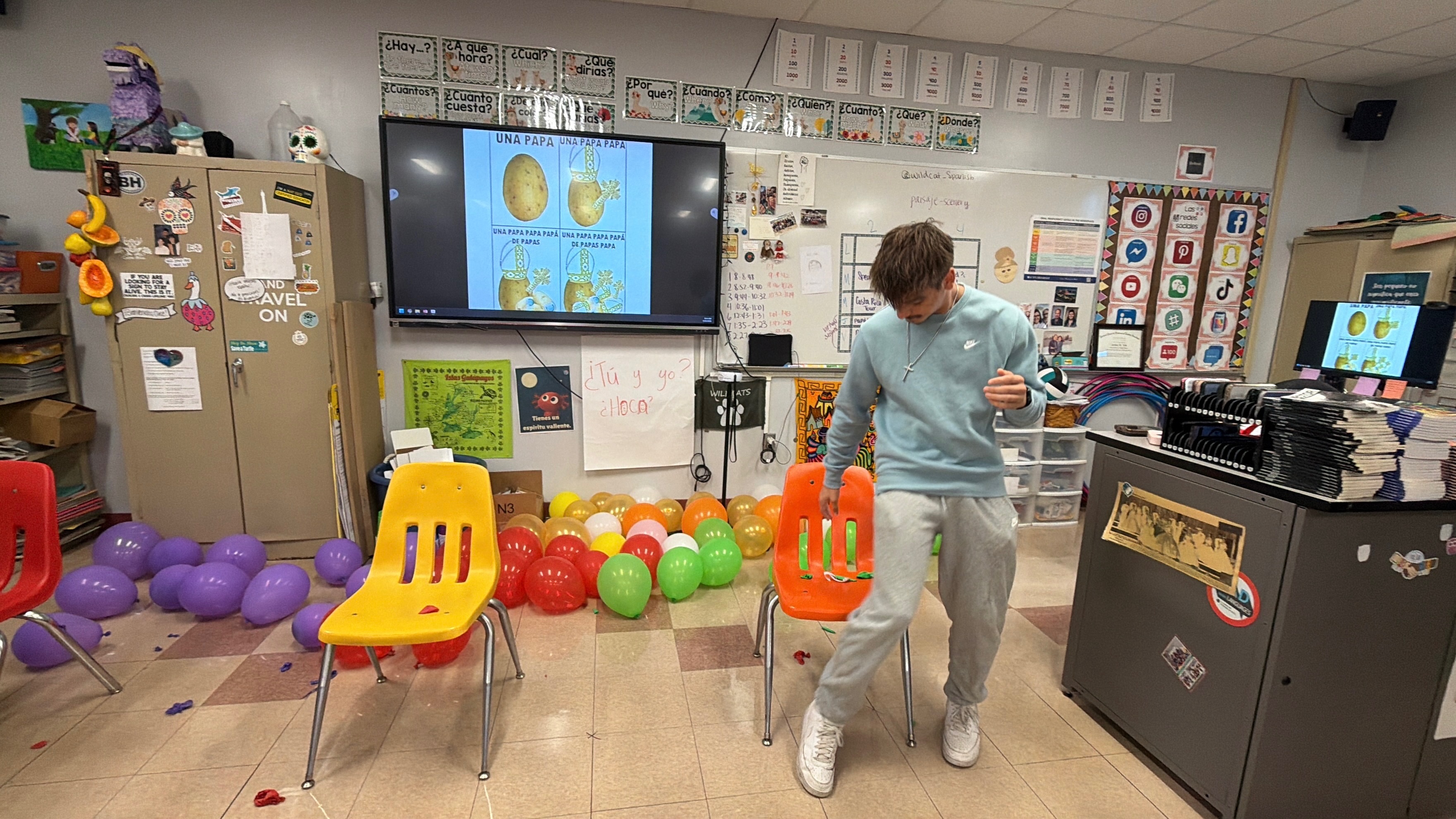
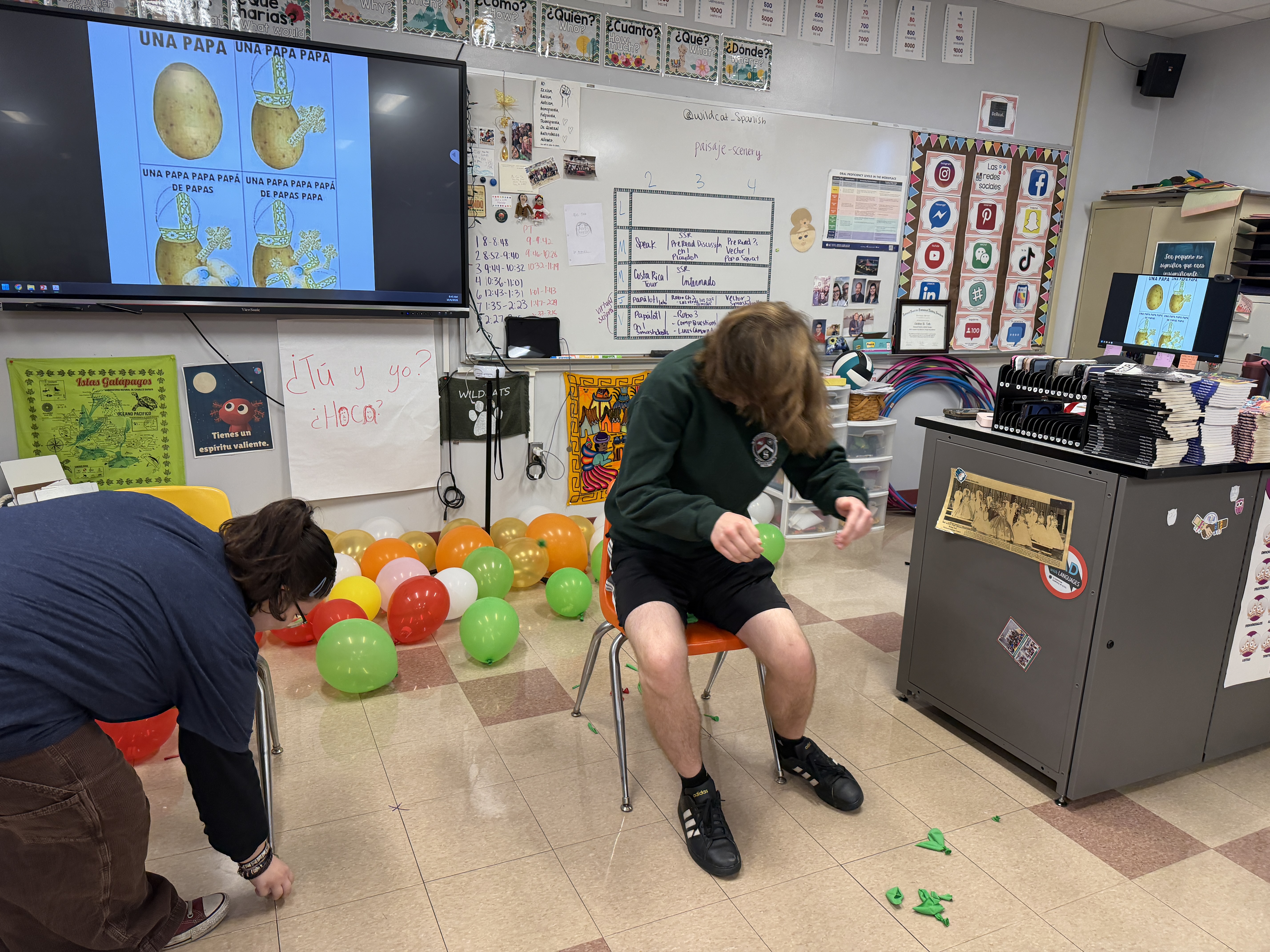
The activity itself is incredibly simple. You take a story or reading your students have already worked with and choose ten important events from the text. Each event gets written on a small piece of paper, rolled up, and placed inside a balloon. I use different balloon colors for different groups (5-7 students in each), and I also prepare a few additional actions for students to complete during the game, such as giving their teammates a high five. Then the students get about five minutes to pop the balloons, collect their story events, and have some fun.

Yes, you should probably warn your neighbors. It is very loud and the pops come in rapid succession.
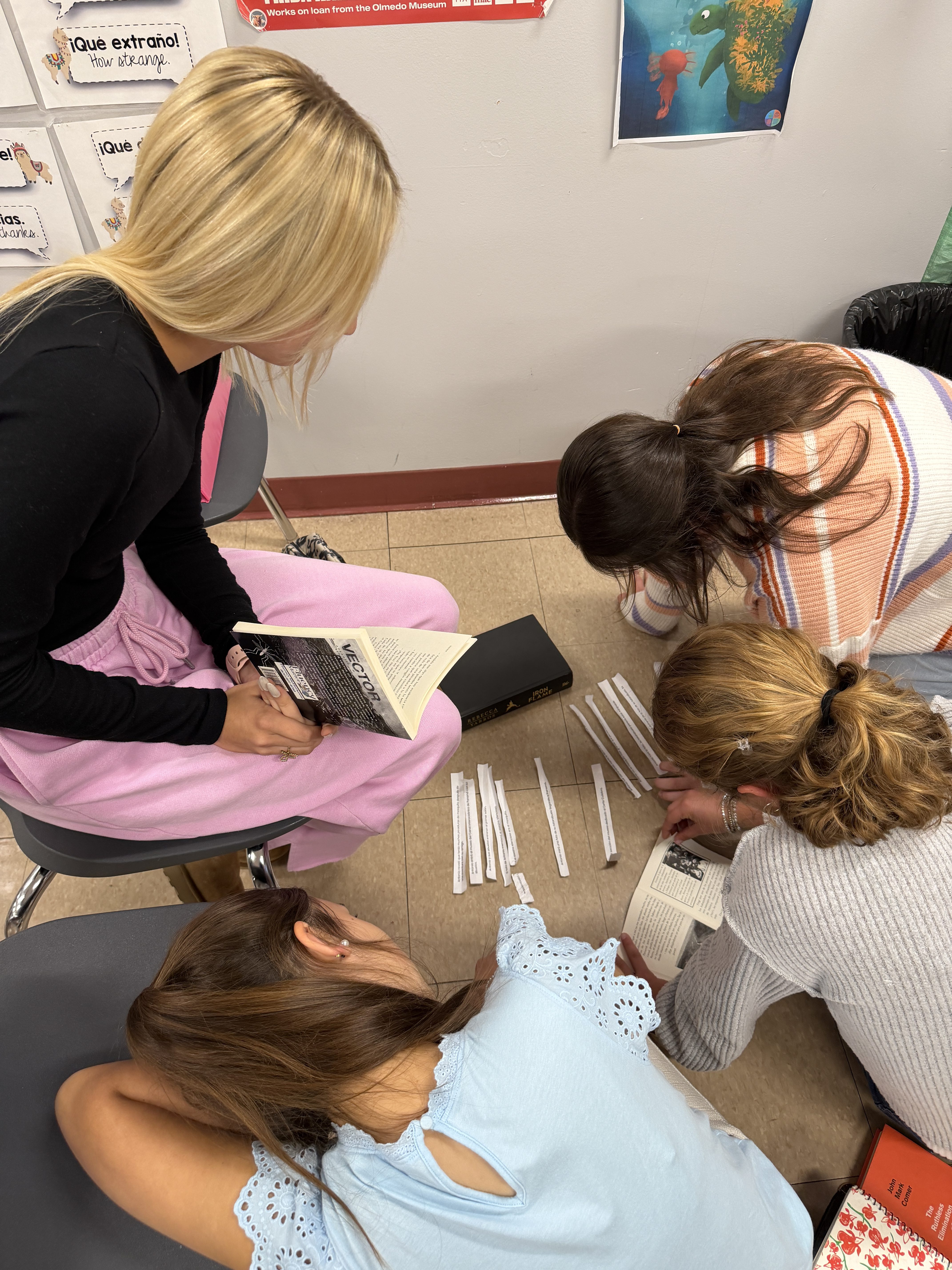
Once the balloons have all been popped, though, the activity changes. Students have to work together to put the ten events in the correct order. They have to remember what happened, decide which events came first, and explain their thinking to their teammates. When they cannot remember exactly what happened, they have a very good reason to go back into the reading and find out.
That is the part of Pop a Squat that I really love. The balloons are what make students excited about the activity, but the reading is what makes it worthwhile.
Why Take a Brain Break?
When students have been reading, listening, processing language, and trying to remember information for a sustained period of time, their attention is eventually going to decline. That does not necessarily mean they are bored or that the activity is not engaging. Sustained attention is simply demanding, and students cannot realistically be expected to maintain the same level of concentration throughout an entire class period.
Research on classroom brain breaks suggests that short breaks, particularly breaks that include physical movement, can help students return to academic tasks with improved attention and engagement. A brief change in activity gives students an opportunity to step away from the sustained cognitive effort they have been making and then shift their attention back to the academic task.
I think it is helpful to think about a brain break as a reset rather than a break from learning. We are not necessarily losing instructional time when we give students a few minutes to move, laugh, and change what they are doing. We may actually be making the time that follows more productive because students are better prepared to focus again.
I am careful about some of the language that gets used when we talk about “brain breaks” and brain science. We often say that a brain break “replenishes brain chemicals” or “recharges the brain,” but the science is more complicated than that. We can say with confidence that attention and cognitive performance are affected by fatigue, movement, and the demands of sustained mental effort, and that appropriately timed breaks can help students re-engage with learning. That is exactly the kind of reset I am looking for when I use Pop a Squat.

Five Minutes of Fun, Then Back to the Text
I usually do Pop a Squat about once a year with my students. That is partly because there is a little preparation involved. Someone has to blow up all those balloons, and (as an asthmatic) I am not sure that I need to make that a weekly classroom routine. It is also one of those activities that is more fun because it is unusual. When students see a pile of balloons in the classroom, they know something different is about to happen.
For those five minutes, students get to move around and do something completely different from the focused reading work they have been doing. They are laughing, popping balloons, finding their pieces of paper, and working with their teammates. It is a genuine change of pace, which is exactly what I want from a brain break. Then I ask them to put the story back together!

At first, students often think this will be easy. They have ten events, so they just need to arrange them in order. Once they start talking, however, they quickly realize that they need to remember details from the reading. One student remembers that an event happened before another event, while someone else remembers a detail that changes where an event belongs. They start debating, checking with one another, and trying to reconstruct what happened. Eventually, someone usually says something along the lines of, “Wait, we need to look at the story.” Perfect. They are rereading because they have a purpose for rereading.
A Reason to Reread
One of the things I value most about Pop a Squat is that it gives students an authentic reason to return to a text they have already read. Rereading can sometimes feel like a chore when students think they are simply being asked to read something again because the teacher wants them to. In this activity, however, the students need information from the text in order to solve a problem.
They are looking for evidence that will help their group determine the correct sequence of events. They are comparing what they remember with what the text actually says. They are explaining their reasoning to one another and changing their minds when they find information that contradicts their first idea.
All of that is happening while they are doing something that feels like a game.
That combination is what makes the activity work for me. The brain break does not have to be completely separate from the academic work that comes before or after it. In this case, the break changes the energy of the room and gives students a chance to reset, while the second half of the activity brings them right back to the reading with a new purpose.
What You Need to Play Pop a Squat
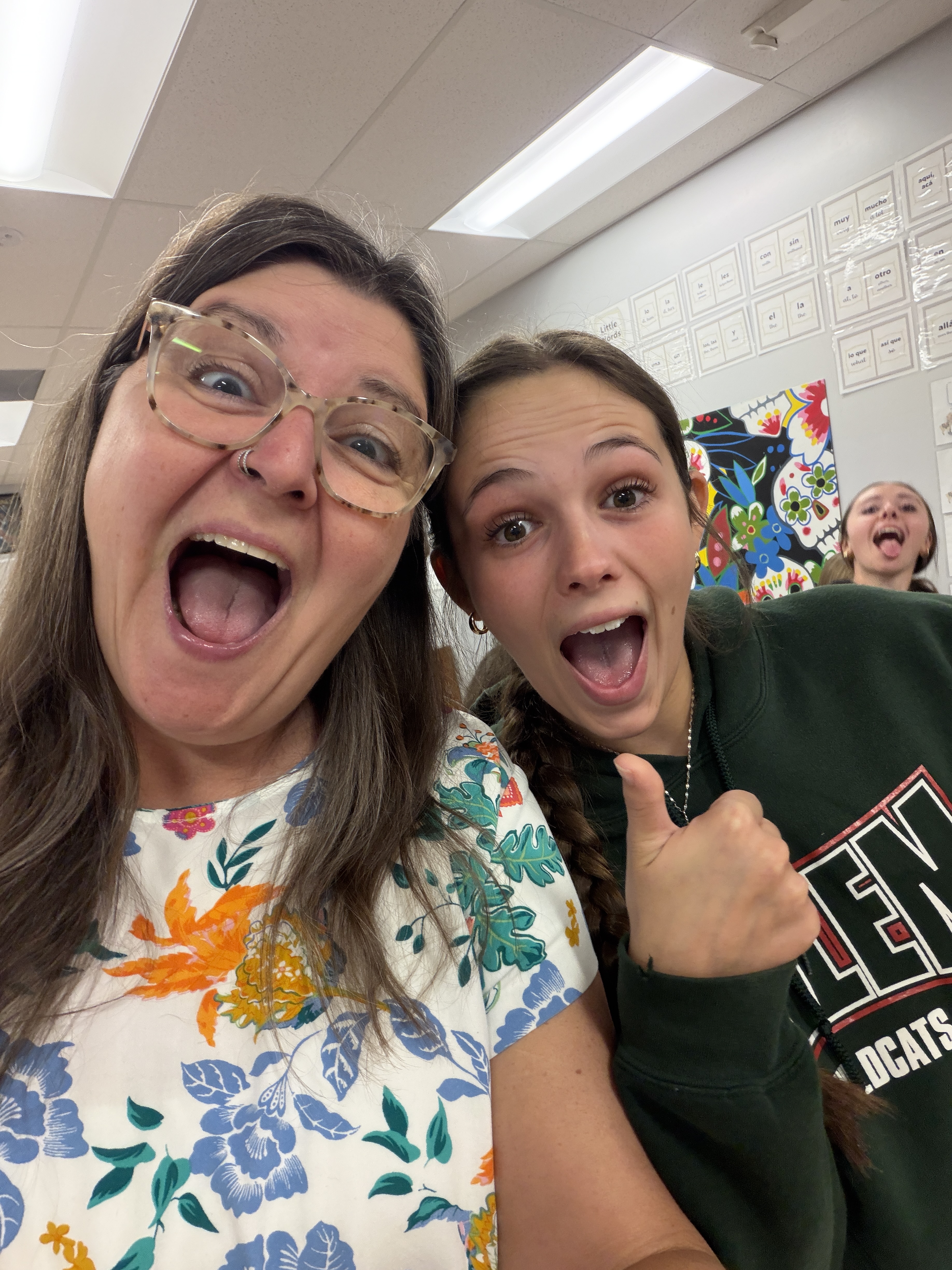
The setup is simple. You need a reading or story that your students have already worked with, ten important events from that text, balloons in different colors for your groups, and a few fun actions for students to complete during the popping portion of the game. You can make the actions as silly as you want. Things like “high five your team,” “selfie with the teacher,” “do a team cheer,” or “everyone does a silly dance” take almost no preparation but add to the fun.
I usually choose ten events that are important enough to require students to understand the story in order to sequence them correctly. I am not trying to test whether they memorized ten tiny details. Instead, I want them to think about the overall sequence of the story and use the text to confirm their understanding.
You will also want to give anyone nearby a heads-up before you begin. Balloon popping is considerably louder than you might expect when you have an entire classroom doing it at once. I would also strongly recommend using latex-free balloons for safety. That is really all there is to it.
Why Students Remember It
I do not use Pop a Squat very often, but that is part of what makes it memorable. Because I only pull it out about once a year, students know that it is something special. They remember the balloons, they remember the noise, and they remember working together to figure out the story.
Those are the classroom moments I love. They are fun enough that students remember them, but they are not fun just for the sake of being fun. There is meaningful learning underneath the laughter.
Sometimes I think we put too much pressure on ourselves to make every minute of class academically intense. Students need opportunities to move, laugh, interact with one another, and experience a change in pace. That does not mean we are lowering our expectations or wasting instructional time. In the right context, a short break can help students come back ready to give their attention to the work again.
Pop a Squat gives me a way to do that while also getting students back into a text they already know. They get five minutes of ridiculous balloon-popping fun, and then they have to work together to reconstruct the story, check the text, and defend their thinking.
It is a little chaotic, a little silly, and definitely not something I would do every week. But once in a while, I think a classroom needs exactly that.
And the fact that my students still remember it long after we have finished the story tells me that those five minutes were probably worth all the balloon blowing.
Discover more from Somewhere to Share
Subscribe to get the latest posts sent to your email.